Gardeners Are Throwing Spring Bulbs Across Their Flower Beds This October A Growing Trend Is Behind It

October brings bags of tulips, daffodils, and grape hyacinths into gardens, where bulbs are often arranged in rows or clusters before planting. But a growing trend encourages gardeners to throw them across flower beds instead, leaving their positions to chance.
Known as chaos bulb planting, the technique takes inspiration from the chaos gardening trend spreading across social media. Instead of drawing a planting plan, gardeners mix different bulbs and scatter them across prepared soil before planting.
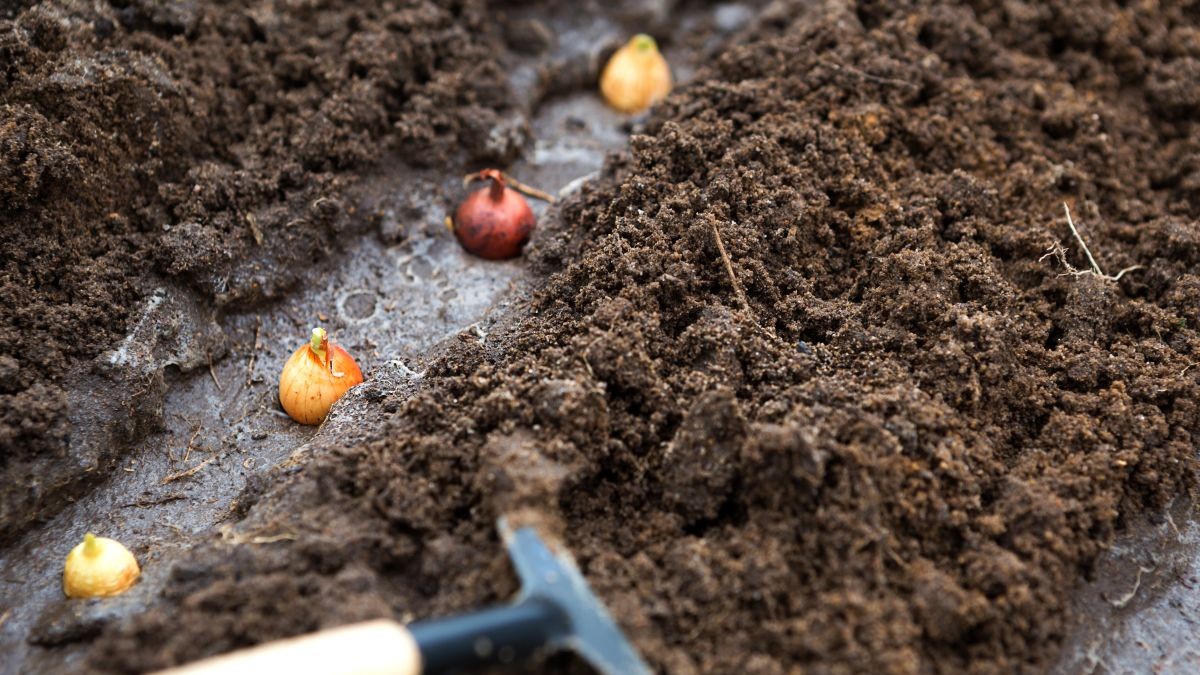
Garden designer Charlotte Hugh (@new.house.home) tested the approach in a raised bed, combining three spring-flowering varieties. The following spring, the flowers produced the informal mix of colors and heights she had hoped for.
She Mixed Tulips, Daffodils, and Muscari in One Box
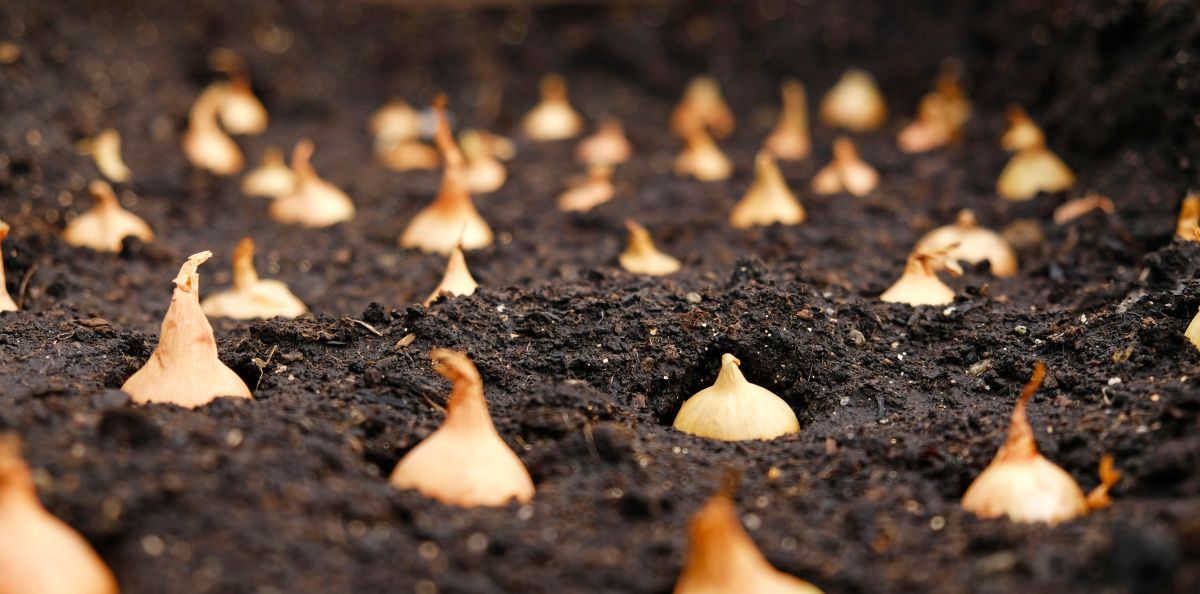
Hugh combined tulips, daffodils, and muscari in a large box, then scattered the mixture across her raised bed. Each bulb stayed near the spot where it landed, creating groups without separating the flowers by variety.
Tulips and daffodils provide taller blooms, while muscari produces shorter clusters of blue or purple flowers. Their different heights allow several flower shapes to occupy the same bed without following a repeated pattern.
Hugh described the spring display as “colour chaos” and preferred its wild appearance to formal planting arrangements.
Bulbs Were Planted Where They Landed
Scattering determined the positions, but the bulbs still needed to be buried. Hugh pressed them into the soil and covered the bed with compost rather than leaving them exposed on the surface.
For gardeners trying the method, planting depth remains important. The Royal Horticultural Society advises planting most bulbs at around two to three times their height, with the pointed end facing upward.
Tulips, daffodils, and muscari differ in size, so each type needs an appropriate depth. Soil with good drainage also helps prevent bulbs from rotting during wet winter conditions.
Chaos Gardening Is Moving From Seeds to Spring Bulbs
Chaos gardening gained attention on TikTok through gardeners scattering mixed flower seeds instead of planting species in designated sections.
In an interview with KUNC, Colorado State University Extension landscape specialist Darren Davidson explained that mixed planting predates the social media trend. What has changed is the name and the interest in gardens without formal layouts.
Davidson also warned against scattering too many seeds into one area, since crowding can reduce germination. Bulbs face a related concern: random placement should still leave enough space for roots and emerging foliage.
October Works for Daffodils, but Tulips Can Wait
October is suitable for planting many spring-flowering bulbs, including daffodils and muscari, where soil conditions permit. Tulips are often planted later, once the ground has cooled.
The RHS recommends November for tulip planting in the UK because lower soil temperatures can help reduce tulip fire, a fungal disease that damages foliage and flowers.
Flowering periods also matter when mixing varieties. Early muscari, midseason daffodils, and late tulips may bloom at different times, while varieties with overlapping flowering periods can produce a combined display.
For containers, Hugh prefers one variety per pot, since a mass of matching flowers creates a stronger display when bloom times differ. In garden beds, scattering several types offers the informal arrangement that made her experiment part of the chaos bulb planting trend.
Project inspiration: Charlotte Hugh, @new.house.home. Sources: KUNC interview with Colorado State University Extension, and Royal Horticultural Society planting guidance.