Few people know brown tips on houseplant leaves usually mean dry air, not thirst


The tips of your spider plant turn brown and crispy, so you water a little more. A week later there are more brown tips, the soil is staying wet, and the plant looks worse than before. It feels like nothing you do helps.
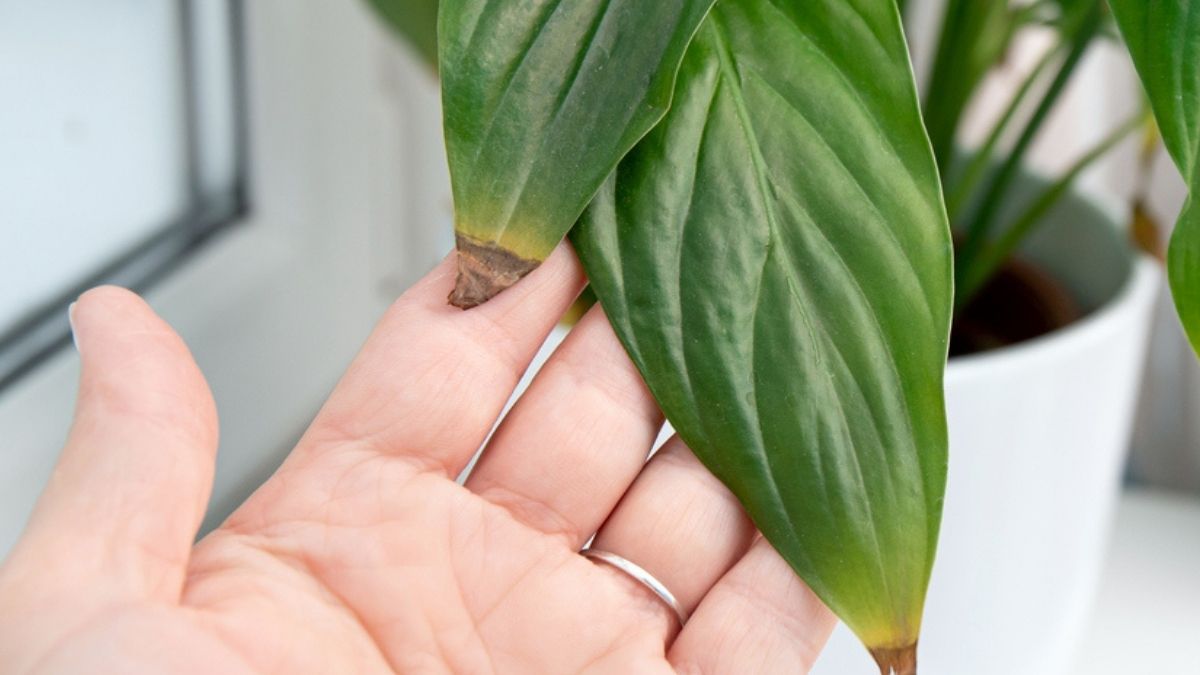
You weren’t neglecting the plant. You were treating the wrong problem. Aaron Steil, a consumer horticulture specialist with Iowa State University Extension, puts it plainly: “The most likely cause is low humidity.” And winter heating is very good at drying out indoor air.
Why heated rooms brown the edges first
Nebraska Extension describes drying and browning around leaf edges or tips as a common symptom of low humidity, much like the scorched leaf margins you see on outdoor trees during hot, dry weather. Many houseplants do best at 70 to 80% humidity. The range cited for people is 30 to 50%, and many homes run lower than that once the heat comes on.
Dry air isn’t the only cause, though. Iowa State lists three others: letting plants dry out too long between waterings, excess fertilizer salts building up in the soil, and chlorine, fluoride or other chemicals in the water. Spider plants, ti plants, dracaenas, prayer plants and calatheas are especially sensitive to water quality.
Plants that spent the summer outdoors go straight from open air to heated rooms, and moving a porch full of houseplants inside brings a second challenge: finding enough light for all of them.
Five ways to put moisture back around the leaves
- Build a pebble tray. Use a tray 1 to 2 inches deep and 2 to 3 inches wider than the pot on each side. Fill it with gravel, set the pot on top and add water among the stones, keeping it below the base of the pot.
- Group your plants. Plants release moisture through their leaves, so a cluster creates a small pocket of more humid air that helps all of them.
- Run a humidifier. A portable unit can raise humidity in one room. Keep plants away from outside doors, radiators and heating vents.
- Water on a steady rhythm. Don’t let the soil dry out too long between waterings, but don’t drown the plant to make up for it either.
- Check fertilizer and water. Fertilize at the rate the plant needs, and if a sensitive plant keeps browning, try a different water source.
Skip the spray bottle. Nebraska Extension says misting isn’t an effective fix: you’d need to mist every few minutes to make a real difference, and wet leaves raise the risk of disease.
Plan B, if raising the humidity isn’t practical: choose plants that tolerate dry air better. Nebraska Extension names cacti, succulents, cast iron plant, Chinese evergreen, pothos, philodendrons and dracaenas, although dracaenas can still react to water quality.
When brown tips point to something else
Trimming the brown parts makes the plant look better, but Iowa State notes the browning will come back unless you fix the cause. So keep an eye on the new leaves after any change.
If the soil is constantly wet and the plant is wilting, more humidity won’t help. A University of California guide to houseplant problems also links brown tips and margins to soil that is too wet, too much sun or heat through a window and drafty spots, so look at the whole setup.
Don’t overdo the humidifier, either. To keep mold in check, the EPA advises keeping indoor humidity below 60%, ideally between 30 and 50%, so let the pebble trays and plant groupings do most of the work.
Check the air before you reach for the watering can. That’s the trick.