Cutting Your Lawn Short Before Winter Can Backfire: Check This Before Lowering the Mower


Short grass can make a fall lawn look ready for winter, but lowering the mower removes leaf growth the turf uses to capture sunlight. Taking too much off as growth slows can leave less capacity for recovery.
Fall mowing advice often divides lawns into warm-season and cool-season grasses, then assigns each group a rule. That skips differences between species and cultivars, including grasses that need a higher cut as temperatures drop.
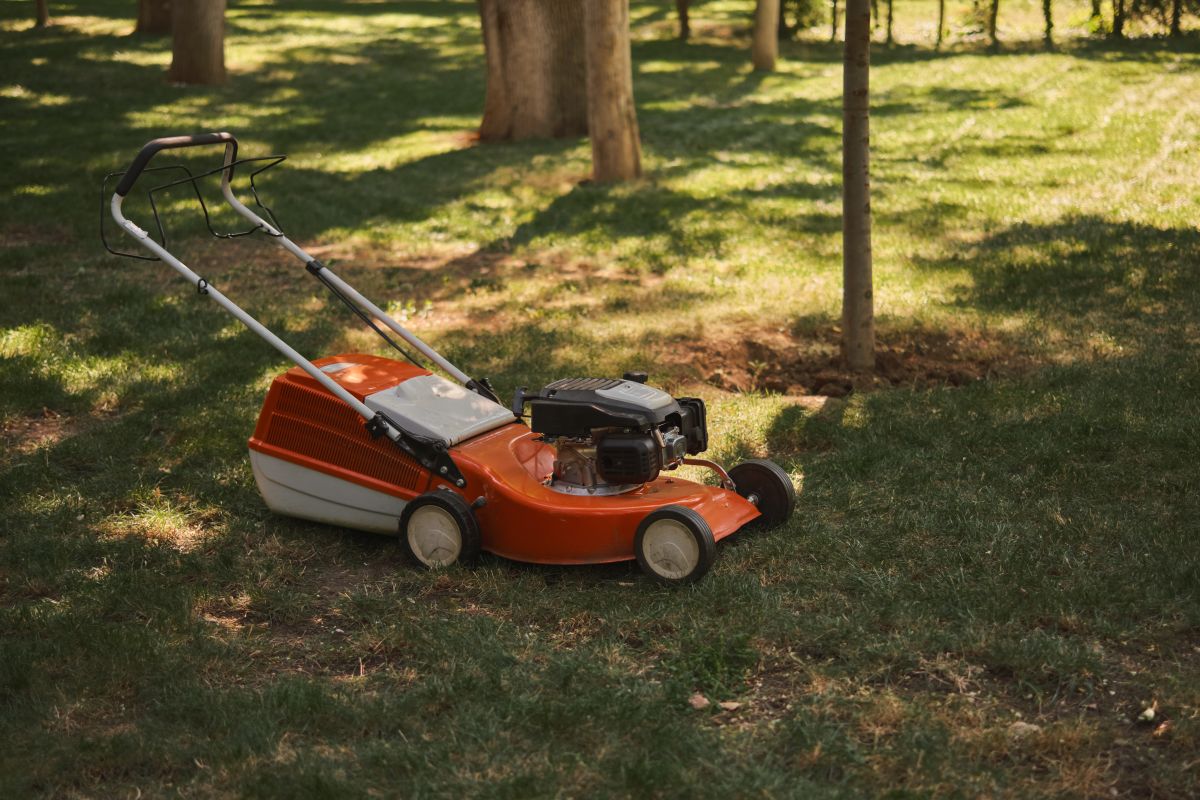
Identify your grass and check its recommended height before changing the setting, rather than giving the lawn a close cut because the mowing season is ending.
Some Warm-Season Grass Needs a Higher Fall Cut
St. Augustinegrass contradicts the advice to lower all warm-season lawns before winter. Regional extension guidance recommends raising its mowing height by half an inch to one inch when nighttime temperatures fall below 70°F, retaining more leaf surface as conditions cool.
Bermudagrass and zoysia have their own requirements. Putting them in the same seasonal group does not make one mower setting suitable for all three.
Two Inches Is Too Low for Some Lawns
Standard St. Augustinegrass cultivars need a mowing height of 3.5–4 inches, while dwarf cultivars have lower recommended ranges. Cutting to two inches without identifying the cultivar can leave the grass below its recommended height.
Check turf installation records or ask the supplier to identify the cultivar before adjusting the mower.
Remove No More Than One-Third in One Pass
Leave at least two-thirds of the blade after each mowing. This limits how much leaf tissue is removed, even when the lawn has grown beyond its target height.
Grass standing six inches tall should retain at least four inches after that cut. If the recommended height is lower, reach it over later mowings rather than removing the excess in one pass. Extension guidance recommends this staged approach when a mowing has been missed.
Account for Shade and Stress
Leaves supply the surface needed for photosynthesis, so mowing guidance emphasizes retaining enough growth when turf faces shade or other stresses. The recommended range for the species remains the starting point, with site conditions informing where within that range to cut.
Set the mower from that guidance, then judge the next mowing by the lawn’s growth. A date on the calendar cannot tell you how much grass needs removing.