Putting Aluminum Foil Under Paint Before Starting a DIY Project: What It’s For and Why People Recommend It


Painting a door or a piece of furniture often takes less effort than cleaning up afterward. Paint collects in the corners of the tray, dries along its edges, and leaves behind residue that takes time to scrub away. Even a small painting project can end with a sink full of supplies that need washing.

Some DIYers use a kitchen staple to avoid one part of that cleanup: aluminum foil. Instead of reaching for it to wrap food, they place a sheet beneath the paint before starting. The reason has nothing to do with the paint color or how it dries.
Why Put Aluminum Foil Under Paint?
The foil acts as a removable liner inside a paint tray. Instead of pouring paint onto the plastic tray, the homeowner presses a sheet of foil across the bottom and up the sides before adding paint.
Paint collects on the foil while the roller moves across its surface. Once the project is finished, the remaining paint can be dealt with and the used foil removed, leaving less residue on the tray beneath it.
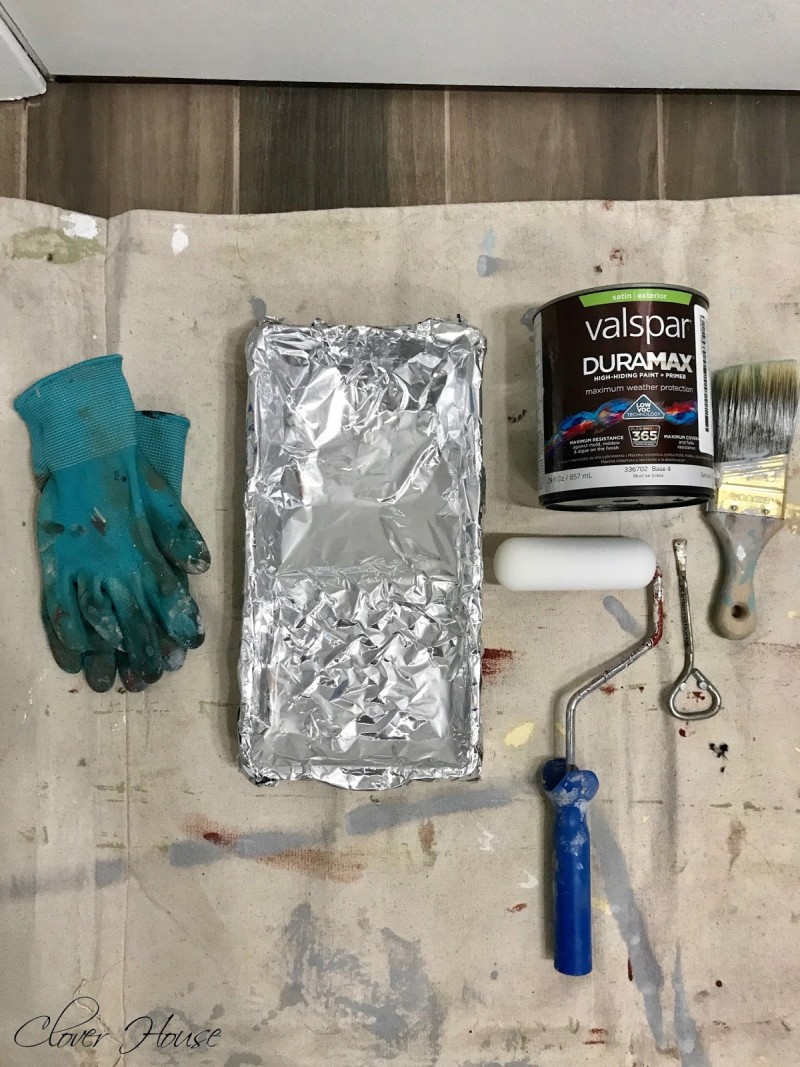
A homeowner behind Clover House used this method while repainting a white front door with Valspar Duramax exterior paint in Sherwin-Williams Sea Creature Blue. Her supplies included an angled brush, foam roller, gloves, and a paint tray covered with aluminum foil.
How to Use Aluminum Foil When Painting
Start with a clean, dry paint tray and tear off enough aluminum foil to cover its bottom, sloped section, and edges. Press the foil into the corners and fold the excess over the rim so it stays in place.
Pour a small amount of paint into the lined tray. Use the roller as normal, but avoid pressing hard enough to tear the foil. Heavy-duty foil can help reduce the risk of punctures.
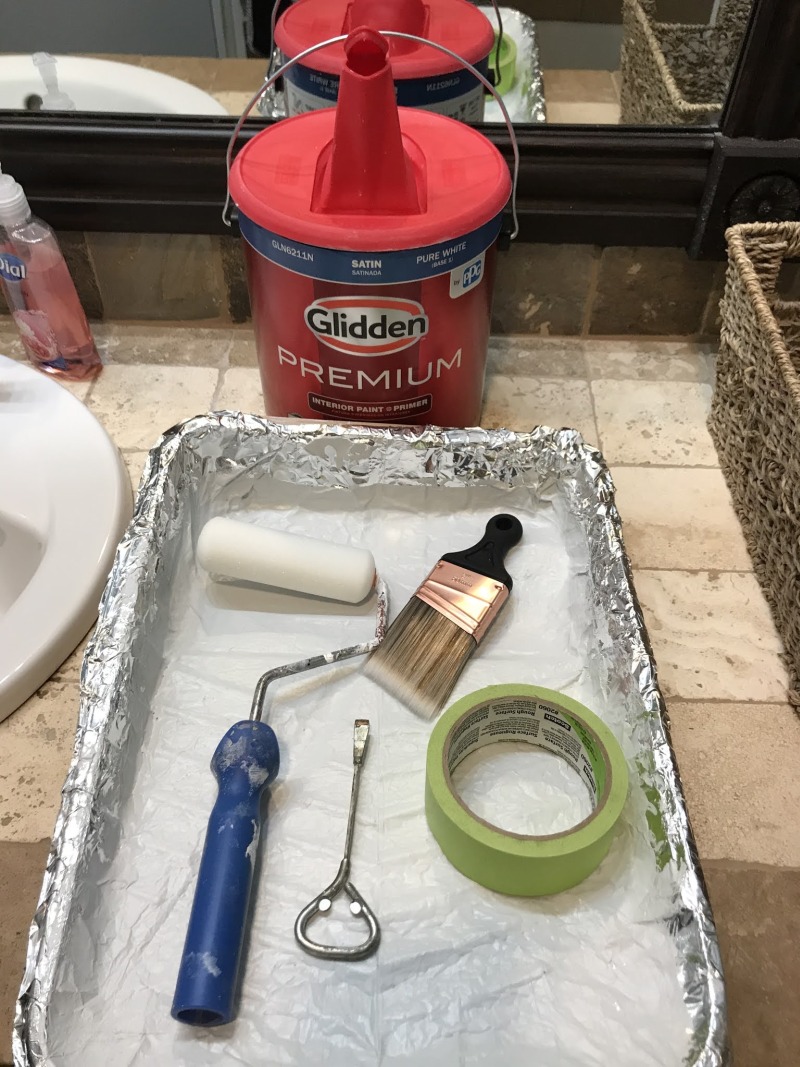
Another DIY painting project shows a tray lined with foil and filled with white paint, with a roller, brush, and painter’s tape placed beside it. The liner covers the tray’s base and sides.
Once painting is complete, return usable excess paint to its container if it has remained clean, following the manufacturer’s guidance. Allow paint residue to dry before disposing of the foil according to local waste rules. Wet paint should not be poured into household drains.
What to Know Before Trying It
Foil works best when it stays flat against the tray. Loose edges can catch on the roller, and thin foil may tear during use. A fitted reusable paint-tray liner is another option for larger jobs.
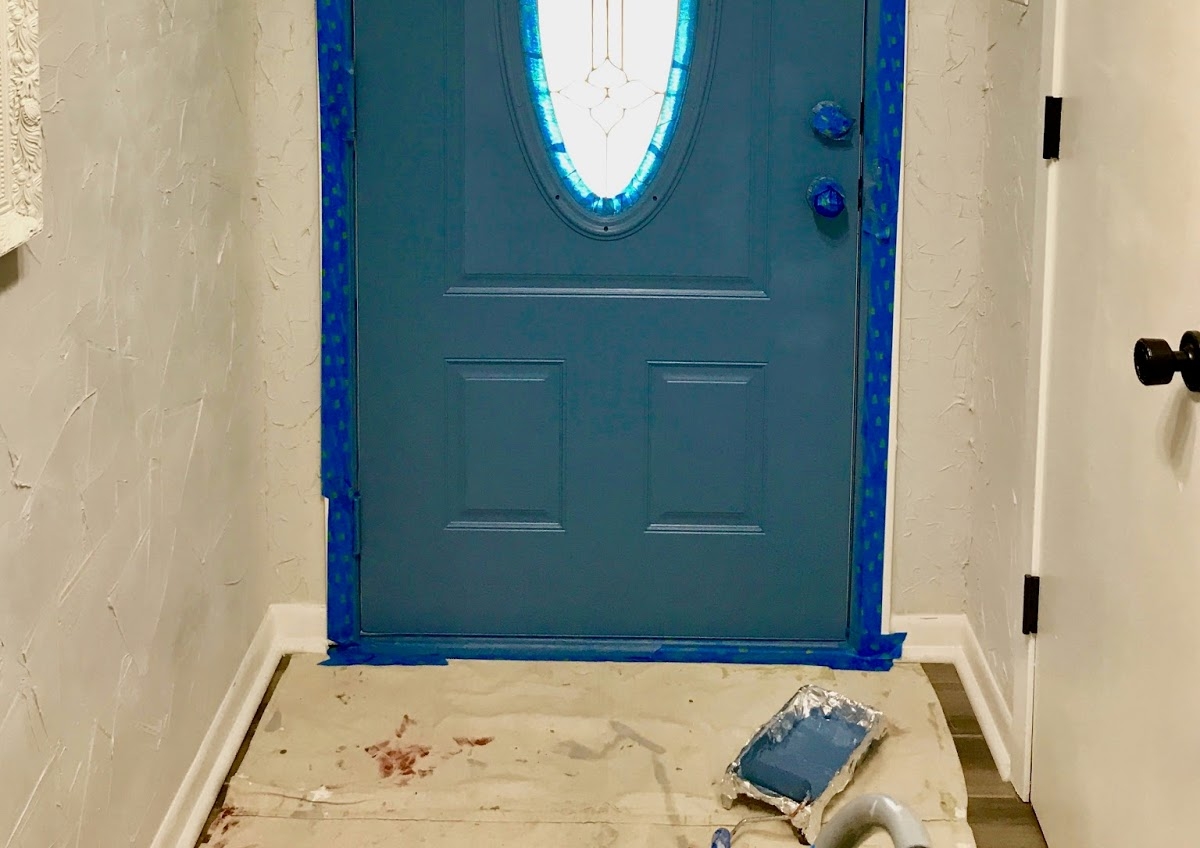
A foil-lined paint tray sits on a protective drop cloth beneath the front door as the homeowner applies blue paint. The foil keeps paint off the tray, while the drop cloth catches drips on the floor. It’s a clever hack for smaller painting projects that reduces cleanup without requiring extra painting supplies.
Foil protects the tray from paint residue but does not eliminate the need to clean brushes and rollers. The U.S. Environmental Protection Agency advises against pouring leftover paint into drains or onto the ground. Small amounts of water-based paint may be allowed to dry before disposal, depending on local rules, while oil-based paint often requires hazardous waste collection.
What other clever household tricks have you used to make painting projects easier?
Images and project details courtesy of Clover House.