Gardeners Are Leaving Dead Plants Standing This Fall: Here’s Why Cutting Them Down Can Be a Mistake

Brown stems, dried seed heads, and fading grasses make perennial beds look ready for a fall cleanup. Coneflowers lose their petals, black-eyed Susans turn dark, and ornamental grasses stop growing. Cutting everything to the ground may seem like the next step, but some of those stems still serve a purpose.
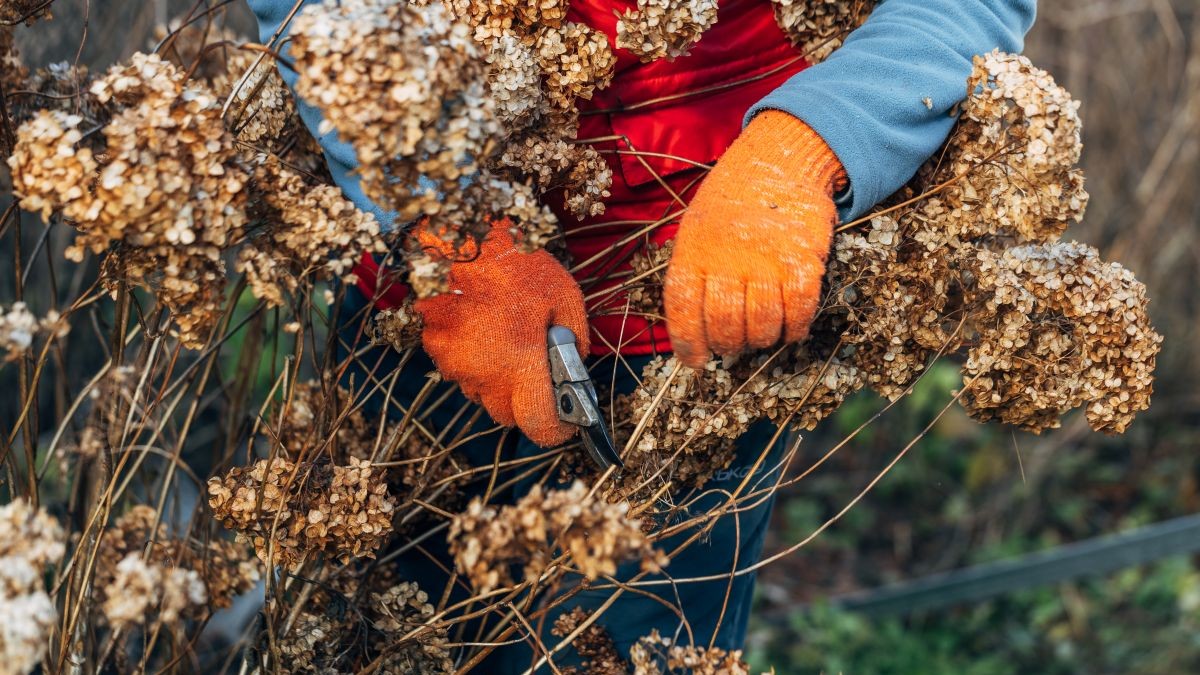
Goldfinches feed on coneflower seeds, insects find shelter among standing grasses, and hydrangeas may already carry the buds that will produce next year’s flowers. Removing those plants in October can take away more than dead growth.
Which plants should stay through winter, and which ones need cutting? The answer depends on what remains on the stems, whether the plant is healthy, and how it produces new growth.
Coneflowers Hold Seeds That Goldfinches Eat Through Winter
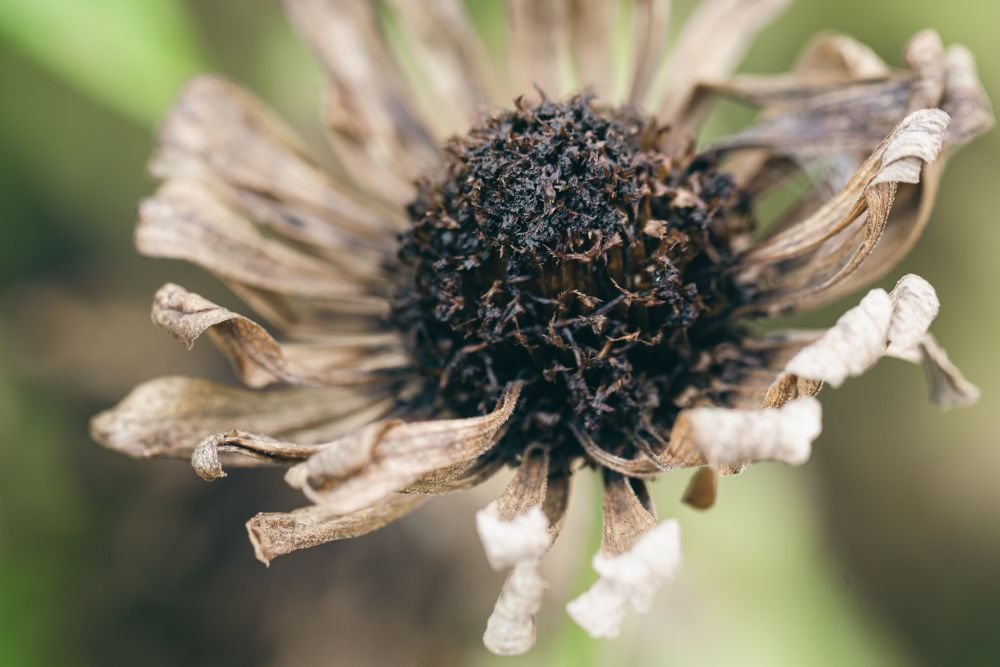
Coneflowers lose their purple petals as temperatures fall, leaving dark, bristled seed heads on stiff stems. Those cones contain seeds that American goldfinches and other birds can extract after the flowers have finished blooming.
Cutting the stems in fall removes the seed supply before birds have finished using it. Leaving the heads standing also keeps the dry stalks above snow and fallen leaves, where birds can reach them.
Gardeners can remove the old stems in spring, after birds have fed on the remaining seeds. Leaving some cut stems standing at different heights can also preserve nesting sites for stem-nesting bees.
Black-Eyed Susans Keep Their Dark Seed Cones After the Petals Fall
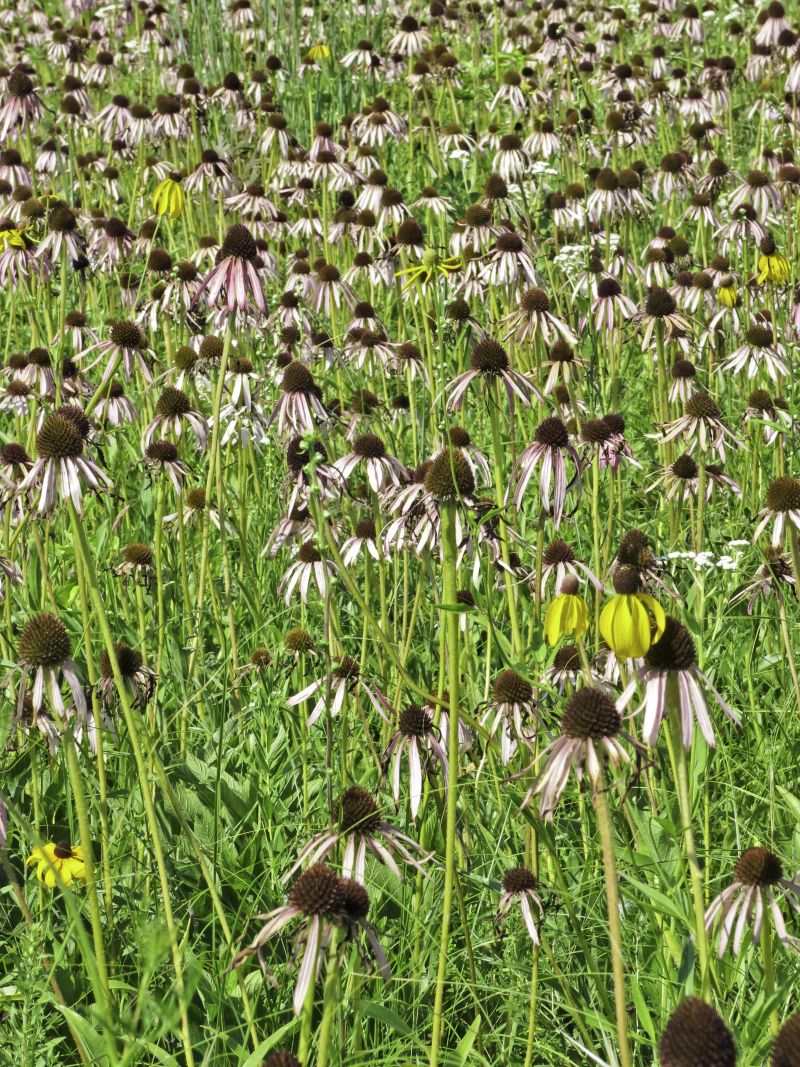
Black-eyed Susans change from yellow flowers with dark centers into clusters of bare brown cones. The petals disappear, but the central seed heads remain attached to the stems.
Finches and other seed-eating birds can feed on these cones during fall and winter. The standing stems also preserve some cover within perennial beds after softer foliage collapses.
Rather than removing every Rudbeckia stem in October, leave healthy seed heads until late winter or spring. Plants affected by serious disease can be cut back and the infected material removed instead.
Ornamental Grasses Provide Winter Cover That Short Stubble Cannot
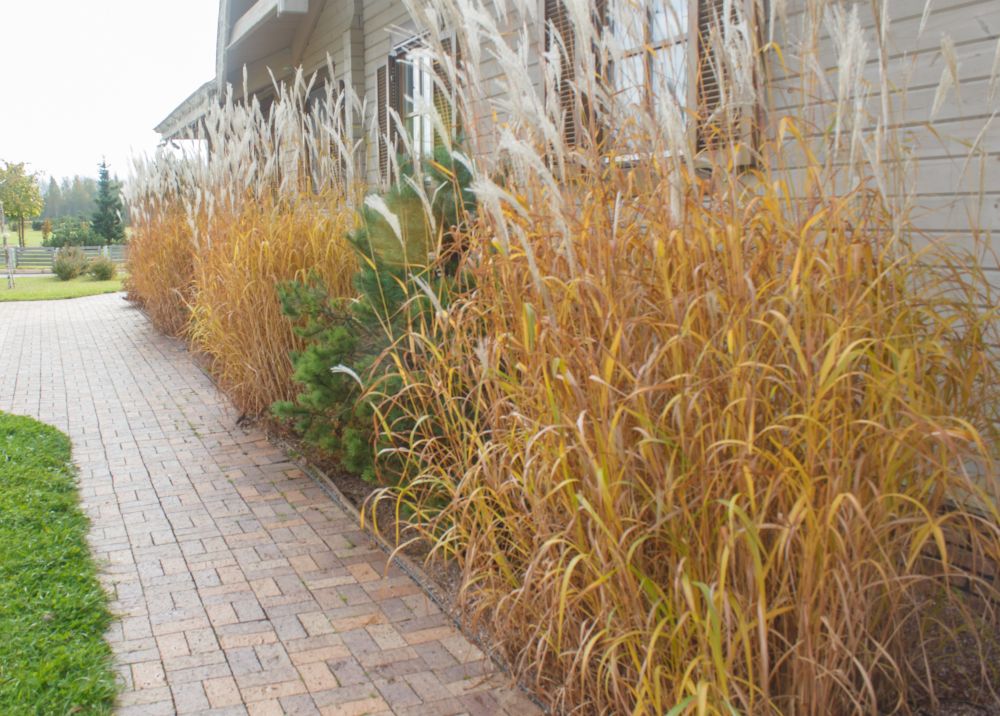
Miscanthus and switchgrass form tall clumps of dry blades and seed plumes after their green growth fades. Cutting these grasses to a few inches in fall removes the foliage that can shelter insects and provide cover for birds.
Standing grasses also catch frost and snow, keeping their shape through winter. Dense clumps can protect the crown from some temperature swings, although winter survival depends on the species, drainage, and climate.
For hardy deciduous ornamental grasses, late winter or early spring is a common time to cut back the old growth before new shoots begin. In regions where a grass self-seeds and spreads beyond its intended area, removing seed heads before dispersal may be the better choice.
Hydrangeas Can Lose Next Year’s Flowers to Fall Pruning
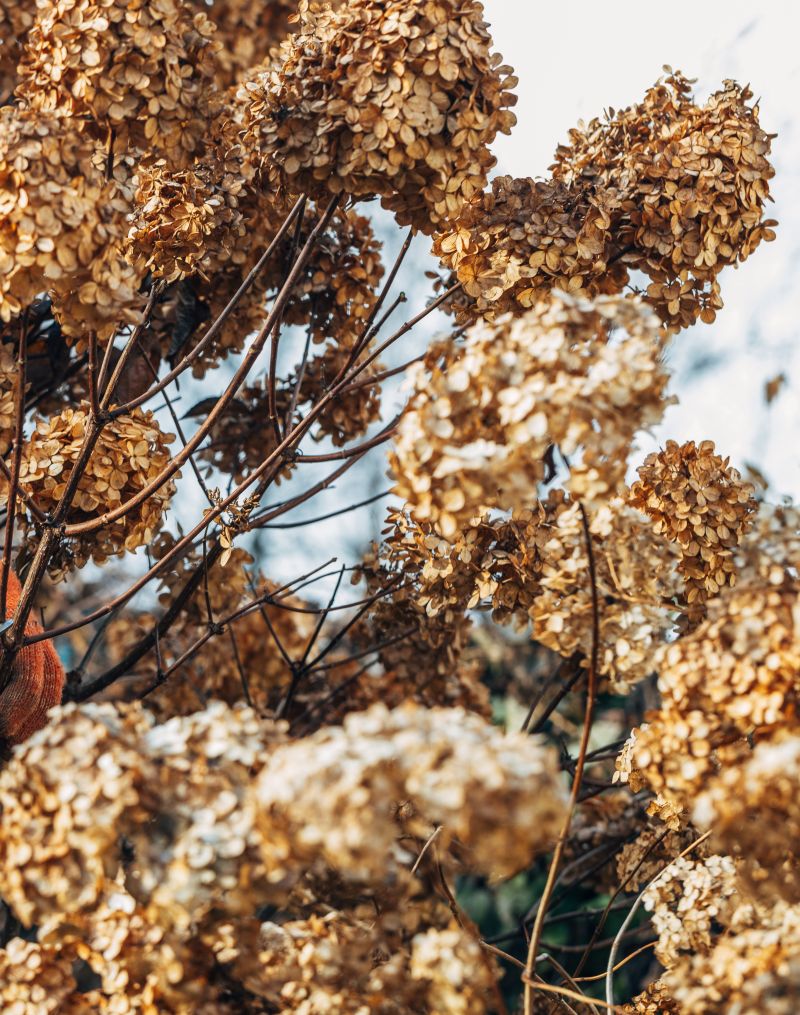
Hydrangeas present a different problem from seed-bearing perennials. Their dried flower heads can remain through winter, but the greater risk comes from cutting stems that hold next year’s flower buds.
Bigleaf hydrangeas and oakleaf hydrangeas often bloom on old wood, forming buds before winter arrives. Cutting their stems back in October can remove those buds and reduce flowering the following season.
Panicle and smooth hydrangeas generally bloom on new wood and have different pruning requirements. Identifying the type before cutting matters more than whether the old flower heads look attractive.
Coneflowers and black-eyed Susans can remain standing for seed-eating birds, while hardy ornamental grasses provide cover until new growth begins in spring. Hydrangeas require a different decision: cutting old-wood varieties in fall can remove next year’s flower buds.
Diseased foliage, damaged stems that pose a hazard, and invasive seed heads are exceptions. Remove those when needed rather than leaving them through winter.
For healthy perennials, wait until spring to clear the remaining growth. When cutting back hollow or pithy stems, leave some standing at varied heights to provide potential nesting sites for native bees.