I Planted This Flower Near My Birdbath — And the Backyard Didn’t Feel Empty Anymore

I used to think a birdbath was enough. Add water, place it somewhere visible, and birds would show up. Sometimes they did, but most of the time it felt static. A quick visit, then nothing.
Then I started noticing something in other backyards. The ones that felt active didn’t rely on the birdbath alone. There was always something planted around it, and one flower kept showing up again and again.
Once I paid attention to how it worked, the difference became clear.
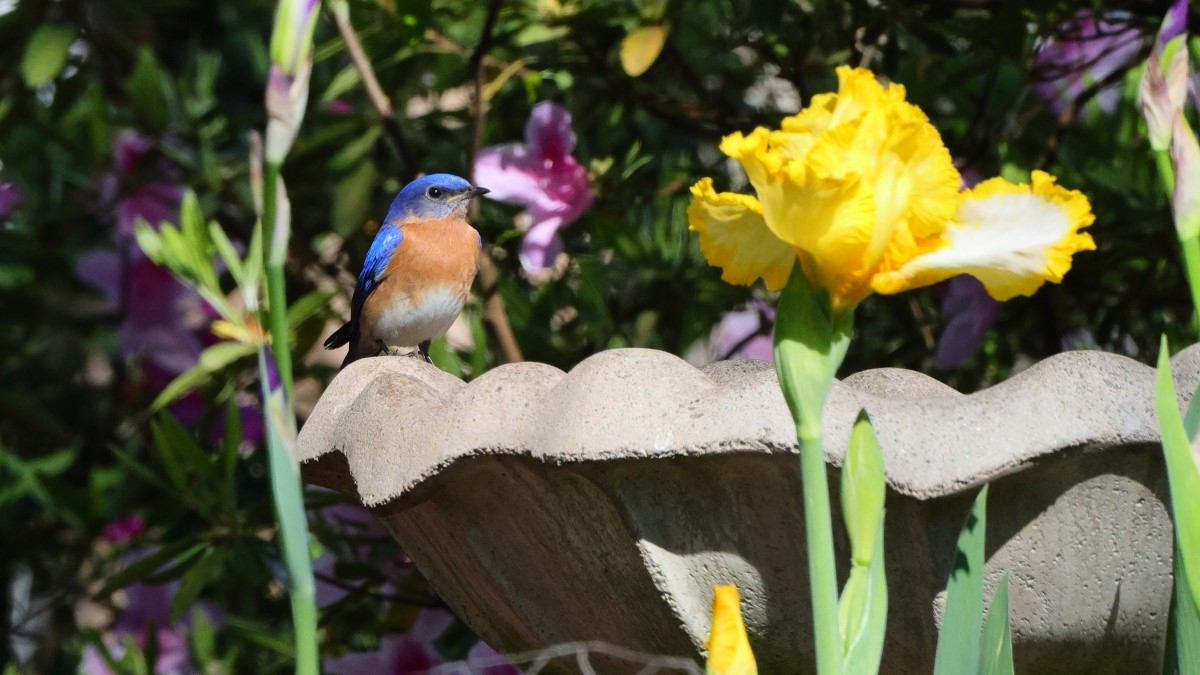
Coneflowers bring activity in stages, not all at once
Coneflowers don’t just attract one thing. They change what they offer over time, and that’s what makes them work.
At first, they pull in butterflies. The petals are wide, the center is easy to land on, and the nectar is accessible without effort. Even when the rest of the garden still feels like it’s filling in, they already bring movement.
Later, once the blooms start to dry, the role shifts. The same flower becomes a food source for birds. Seeds sit exposed in the center, and small birds start showing up more often.
What stands out is that nothing needs to be replaced. The same plant carries the space from early growth into late season.

Placing them next to a birdbath changes how long birds stay
A birdbath on its own attracts short visits. Birds land, drink, then leave.
When food and water sit next to each other, the pattern changes. Birds move between the two instead of passing through. They stay longer, return more often, and the space starts to feel used instead of decorative.
I kept seeing this in layouts where the birdbath wasn’t isolated. It was part of a small system, not a standalone feature.
The detail most people remove too early
It’s common to cut flowers once they fade. It makes the space look cleaner and more controlled.
With coneflowers, that removes the part birds rely on later. The seeds are what draw them in once the bloom is gone.
What looks like maintenance ends up breaking the cycle. Leaving the dried heads in place keeps the space active for longer.

Why coneflowers keep showing up in wildlife gardens
They don’t need much attention. Once established, they handle dry conditions, spread on their own, and come back each year without effort.
More important, they don’t depend on perfect timing. They settle early, hold through heat, and transition into a different role without needing to be replaced.
That consistency is what makes them reliable around something like a birdbath, where the goal is not just appearance, but activity.

What makes the setup work
It’s not the birdbath alone, and it’s not just the plant.
The difference comes from how the two are placed together. Water attracts. Food keeps things there. When both happen in the same spot, the space starts to feel alive instead of occasional.
What I kept noticing wasn’t more elements, but better decisions around the ones already there.
What changes once you get it right
A quiet backyard doesn’t need more features. It needs something that holds attention longer than a single moment.
One plant, placed next to something already there, can shift how the space behaves over time. Instead of short visits, you start seeing patterns. Movement builds, not all at once, but in stages.
That’s when the backyard stops feeling empty, even when nothing else has changed.