Few People Know Why Toilet Paper Has Those Tiny Dots and Patterns, and What They Actually Do

Nobody pays much attention to them. Tiny dots, curved lines, and flowers repeat across toilet paper, covering sheets that get used once and discarded. Some rolls carry rows of raised marks, while others have elaborate designs pressed into the surface.
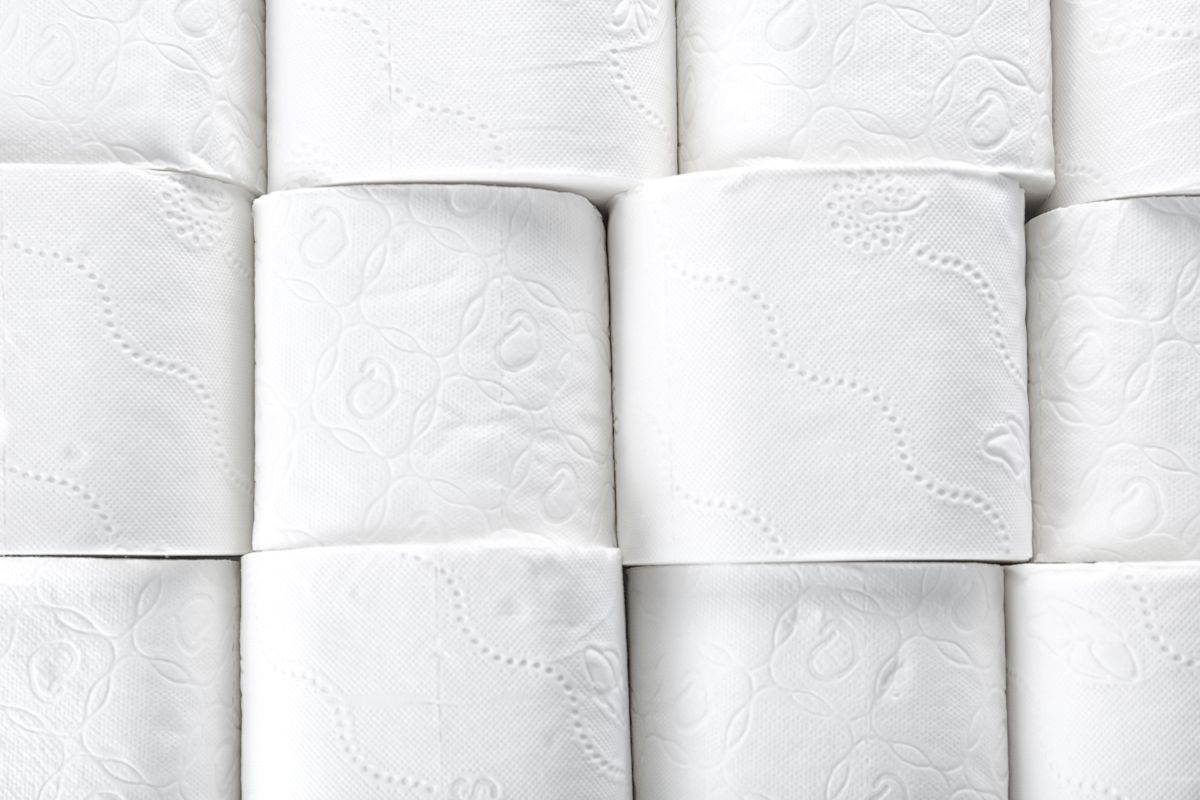
One Reddit user asked whether those impressions help hold the layers together, add texture, or exist for decoration. Looking at a roll gives few clues about which marks perform a task.
Embossing creates that relief by pressing a design into the tissue. Its depth, spacing, and arrangement can change how the paper feels and behaves, giving the familiar surface a role beyond appearance.
What the Tiny Dots Do to the Paper
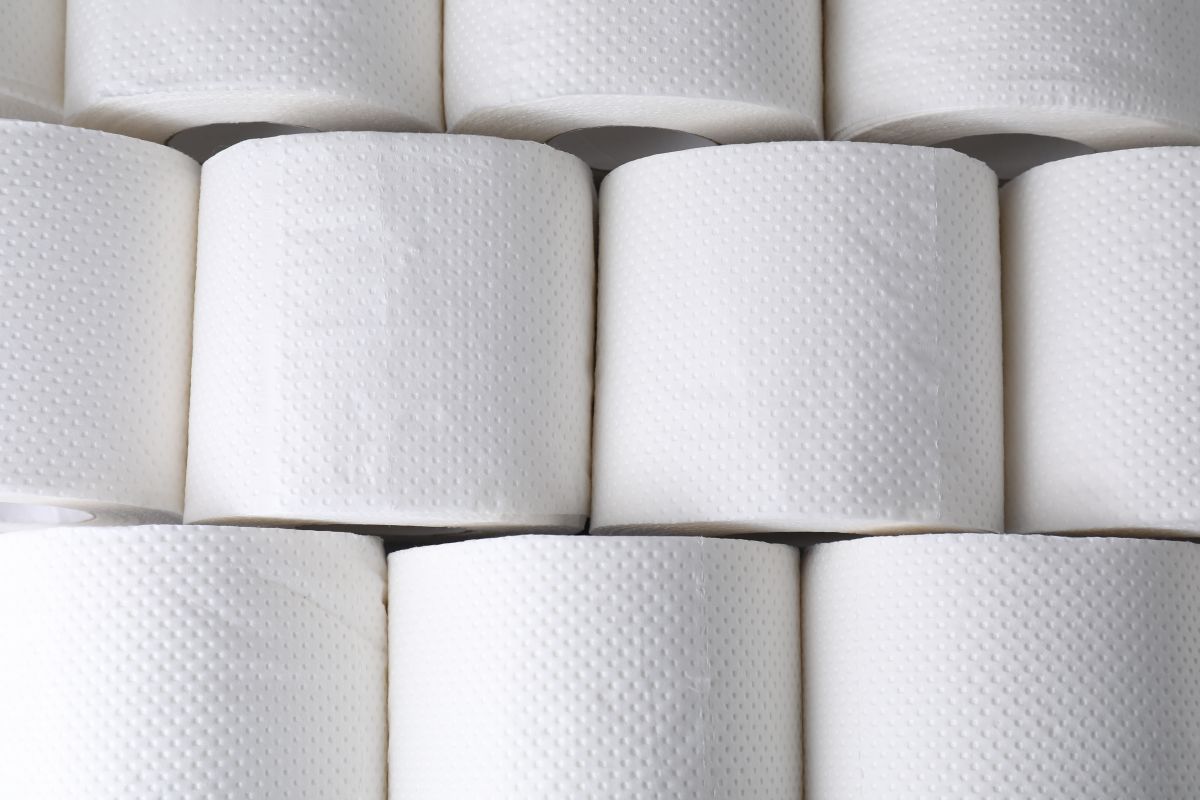
Rows of small impressions reshape the tissue into a textured sheet. That change can increase its bulk, allowing a given amount of paper to occupy more space and feel thicker.
Tissue-equipment manufacturer Valmet explains that embossing serves both volume and appearance. The process involves balancing that added bulk with the paper’s strength, since pressing the tissue also affects its fibers.
A roll covered in fine dots can therefore feel different from a smoother one even when both contain similar materials. The effect depends on the paper and the embossing process, rather than the number of marks alone.
How Embossed Areas Can Help Join the Layers
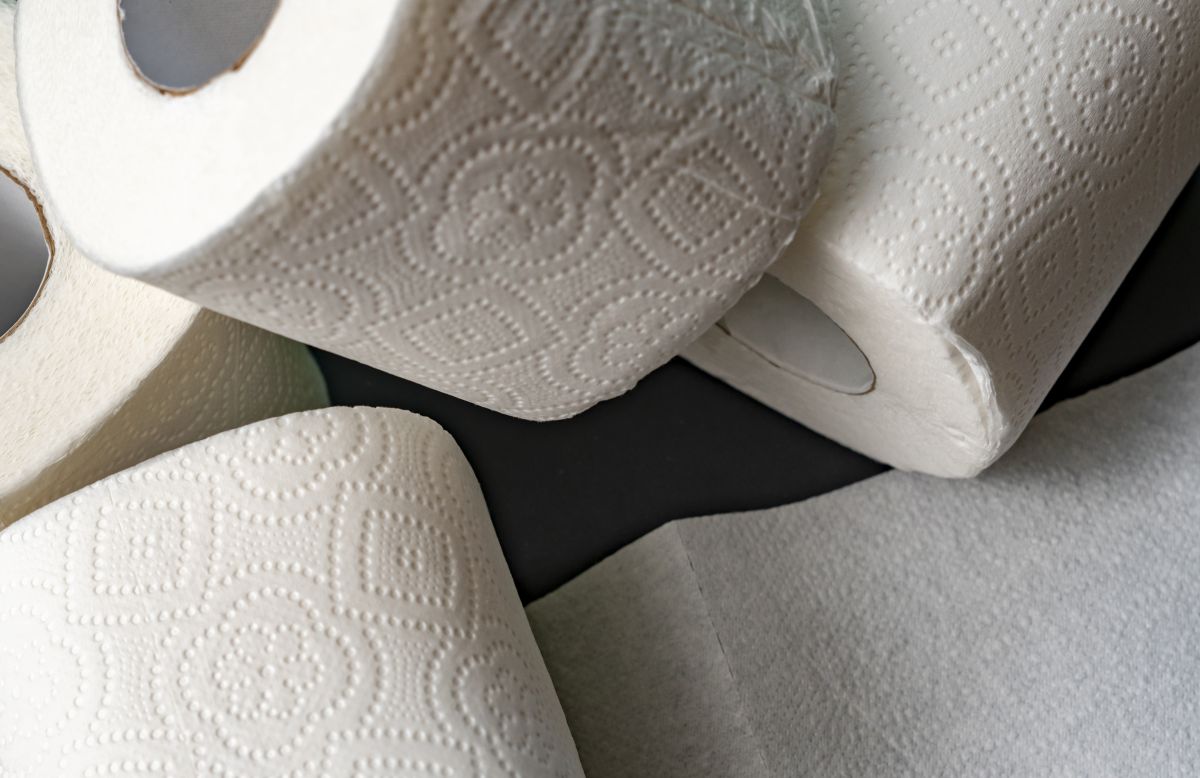
Two-ply and three-ply papers contain separate tissue layers that need to remain together as a sheet is pulled from the roll.
Some production systems use raised embossed areas as contact points for bonding those layers. Adhesive can be applied at selected points before the plies meet, while other equipment uses water to form the bond.
Valmet documents both water and adhesive bonding options. Looking at the finished sheet does not reveal which method was used, and every visible dot need not be a joining point.
Tear lines perform a separate task. Their perforations weaken the paper between sheets, while embossing shapes the surface within them.
Why Flowers and Swirls Do Not Prove Better Quality
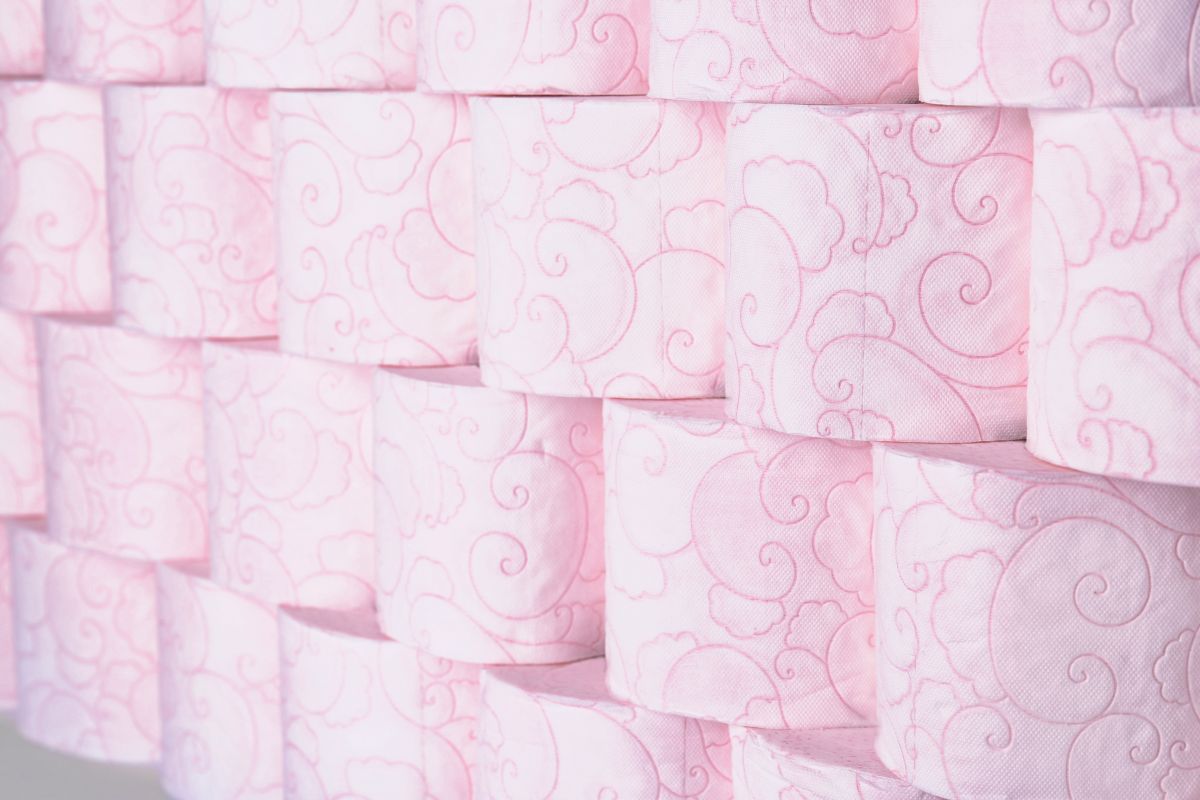
Large floral shapes can sit over a background of fine impressions, combining a recognizable appearance with surface texture. Color adds another visual difference, but neither detail establishes how the paper will perform.
Research into embossing lines and dots found that their geometry affected the properties of the tissue tested. Even the finish of the embossing tools influenced softness, showing why appearance alone offers an incomplete guide.
More pronounced relief does not guarantee a softer or stronger sheet. Fiber composition, tissue construction, and the way the layers are joined all contribute to the result.
Those familiar marks reveal how the paper was finished, but the most elaborate design on the shelf does not promise the best roll.